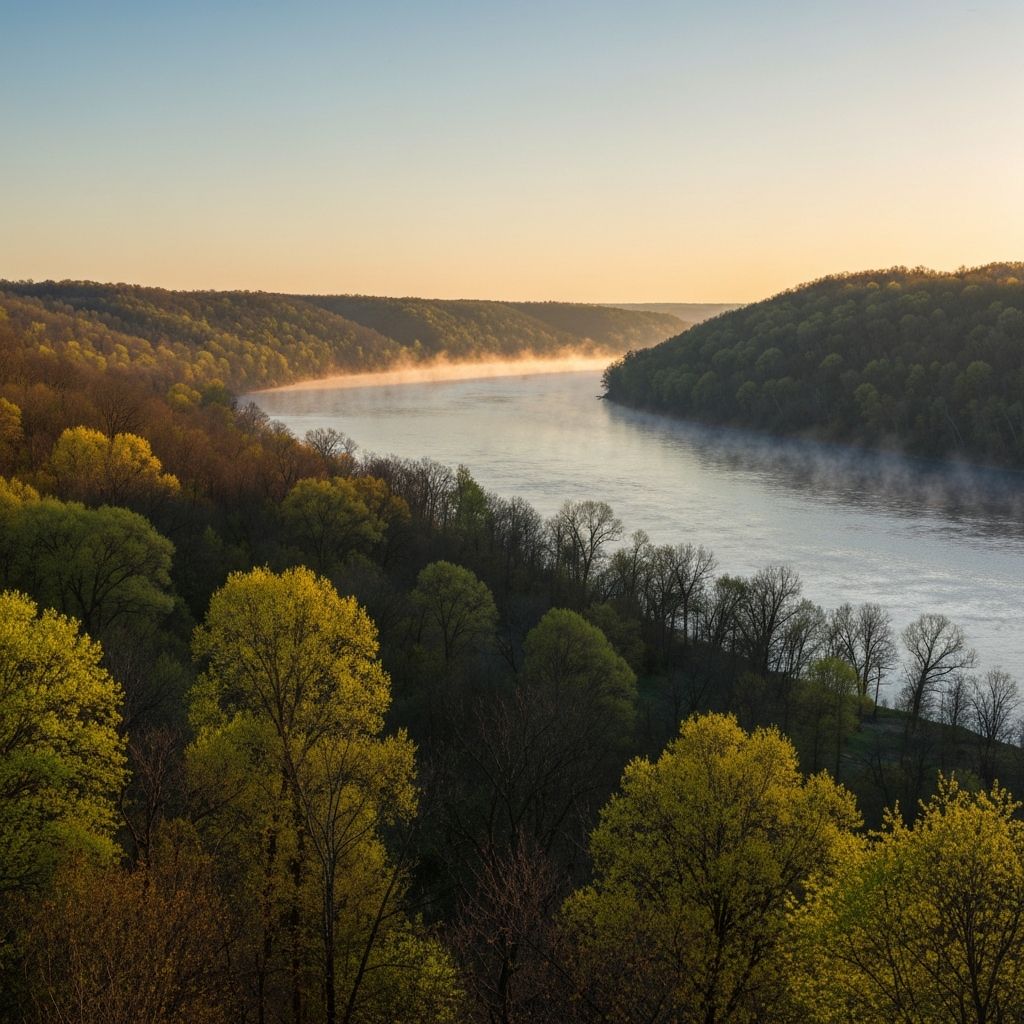
The Susquehanna River near Marietta, Pennsylvania at dawn
Spring · April

Birds of the Susquehanna

Species likely to be seen today along the river near Marietta, PA — powered by real-time eBird sightings data.

Loading real-time sightings...

Top 25 species expected

40.054°N, 76.581°W · 5 km radius near Marietta, PA

View on eBird →
Raptors

Bald Eagle

Haliaeetus leucocephalus

Common

The Susquehanna is one of Pennsylvania's premier eagle-watching corridors. Pairs nest in large sycamores and cottonwoods along the banks and are highly visible year-round, especially near the shad and herring runs in April.

Hotspot: Marietta riverfront park, Anderson Ferry area

Tip: Look high in riverside trees at dawn. Adults have the iconic white head; immatures are mottled brown.

Raptors

Osprey

Pandion haliaetus

Common

April marks the height of osprey return migration along the Susquehanna. These spectacular fish-hunters hover 30–100 feet above the water before plunging feet-first to snatch a shad or bass.

Hotspot: Open river channel, PA 441 overlooks

Tip: Listen for their high, whistling 'kyew kyew' call. Check utility poles and channel markers for perching birds.

Wading Birds

Great Blue Heron

Ardea herodias

Abundant

The signature bird of the Susquehanna shallows. Great Blue Herons stand motionless in riffles and backwaters, striking at fish with lightning speed. Rookery Island near Washington Boro historically hosted hundreds of nesting pairs.

Hotspot: Shallow riffles at low-water ramps, Anderson Ferry

Tip: Scan the rocky shallows at any time of day. Their slow, prehistoric wingbeats make them unmistakable in flight.

Waterfowl

Tundra Swan

Cygnus columbianus

Uncommon

In late February and early March, the Conejohela Flats area (just south of Marietta) hosts thousands of Tundra Swans staging for their Arctic migration. By early April stragglers and small groups still move through.

Hotspot: Conejohela Flats, Washington Boro boat launch

Tip: Use a spotting scope from the York County shore. The bugling calls carry far across the water on still mornings.

Waterfowl

Common Merganser

Mergus merganser

Common

These sleek, fish-eating diving ducks are winter and early-spring regulars on the Susquehanna. Males display an iridescent green head and red serrated bill; females sport a rusty-red crested head. Watch for them diving in swift current.

Hotspot: Open river channel from any access point

Tip: Mergansers prefer fast-flowing stretches. Look for small rafts resting on rocks between dives.

Waterfowl

Bufflehead

Bucephala albeola

Uncommon

North America's smallest diving duck, the Bufflehead winters and spring-stages on the Susquehanna. Males are striking in black-and-white with an iridescent head patch. They dive rapidly and are quick to flush.

Hotspot: Calmer coves and eddy pools along the main river

Tip: Scan flocks of other diving ducks — Buffleheads often mix with scaup and mergansers near mid-river sandbars.

Waterfowl

Canada Goose

Branta canadensis

Abundant

A fixture of the Susquehanna shoreline year-round. In April, resident pairs are establishing territories and nest sites along grassy river banks. Large flocks of migrants continue pushing north through the region.

Hotspot: River access parks, grassy banks, island margins

Tip: Listen for their honking V-formations overhead at dawn and dusk as migrants pass through.

Wading Birds

Double-crested Cormorant

Nannopterum auritum

Common

Cormorants have increased dramatically on the Susquehanna in recent decades. They perch on rocks and channel markers with wings spread to dry — a prehistoric-looking posture. Groups fish cooperatively in the main channel.

Hotspot: Rocky outcrops, navigation channel markers

Tip: Their low, direct flight silhouette with a kinked neck distinguishes them from geese at a distance.

Gulls & Terns

Ring-billed Gull

Larus delawarensis

Common

The most common gull on the Susquehanna. Ring-bills are opportunists that follow shad-fishing boats, scavenge along banks, and loaf on sandbars and parking lots. The bold black ring around the yellow bill is the key field mark.

Hotspot: Any boat launch, sandbar, or river access

Tip: Scan gull flocks carefully — Bonaparte's Gulls (smaller, with black ear spot) mix in during late March into May migration.

Songbirds & Others

Belted Kingfisher

Megaceryle alcyon

Common

A year-round resident of the Susquehanna, the Belted Kingfisher patrols its riverside territory with loud rattling calls. It perches on snags above the water, then dives headlong to catch small fish.

Hotspot: Overhanging branches along any calm stretch of bank

Tip: Follow the rattling call upstream or downstream; they tend to use the same perches day after day.

Songbirds & Others

Tree Swallow

Tachycineta bicolor

Common

One of the first swallows to return in spring, Tree Swallows swarm over the Susquehanna's surface snapping up emerging insects. Their iridescent blue-green backs flash in the sunlight.

Hotspot: Open river surface, fields adjacent to the water

Tip: Scan low over the water at mid-morning; large flocks stage together before moving north in April and May.

Waterfowl

Wood Duck

Aix sponsa

Common

Among the most strikingly beautiful North American ducks, Wood Ducks favor wooded backwater sloughs along the Susquehanna. The male's rainbow plumage and squealing flight call are unmistakable.

Hotspot: Wooded coves and sloughs at river bends

Tip: Visit at dawn — they move quickly and disappear into forested cover once disturbed.

Waterfowl

Mallard

Anas platyrhynchos

Abundant

The familiar dabbling duck of every riverside park and boat launch. Mallards are year-round residents whose numbers swell with migrants in spring and fall. Pairs engage in head-pumping courtship displays in early spring.

Hotspot: Any park shoreline, river access, or island edge

Tip: Female Mallards are easily overlooked; look for the distinctive blue speculum edged in white on the wing.

Wading Birds

Great Egret

Ardea alba

Common

Tall and snow-white, Great Egrets wade deliberately through the shallows hunting fish and frogs. They return to the Susquehanna each spring and often share foraging areas with Great Blue Herons.

Hotspot: Shallow flats at Washington Boro and Conejohela Flats

Tip: Look for breeding birds with lacy plumes extending past the tail in April and May.

Shorebirds

Killdeer

Charadrius vociferus

Common

The most conspicuous shorebird along the Susquehanna, the Killdeer nests on gravel bars and open shores. Its namesake kill-deer call rings across the flats, and its broken-wing distraction display is one of nature's best bluffs.

Hotspot: Gravel bars, exposed mud flats, parking areas near the river

Tip: Watch your step near gravel — nests are scrapes on bare ground with no obvious structure.

Shorebirds

Spotted Sandpiper

Actitis macularius

Common

The teetering bobbing motion of the Spotted Sandpiper is immediately recognizable. It nests along the Susquehanna's stony banks, picking invertebrates from the water's edge with its orange-based bill.

Hotspot: Rocky shorelines and boulder fields along the main channel

Tip: Look for the constant tail-bob even when the bird is standing still. In breeding plumage, bold dark spots cover the breast.

Gulls & Terns

Common Tern

Sterna hirundo

Uncommon

Graceful and buoyant, Common Terns pass through during spring migration and occasionally nest on Susquehanna islands. They plunge-dive for fish with precision far greater than the gulls they sometimes travel with.

Hotspot: Open river above Conejohela Flats, Rookery Island vicinity

Tip: Note the red-orange bill with dark tip versus the Forster's Tern, which has a more uniformly orange bill.

Raptors

Red-tailed Hawk

Buteo jamaicensis

Common

The most widespread buteo in North America, the Red-tailed Hawk soars on broad wings over river ridges and farmland edges bordering the Susquehanna. Its brick-red tail glows in sunlight when banking.

Hotspot: Ridgelines bordering river, utility poles along PA 441

Tip: Listen for its fierce, descending scream — the quintessential raptor sound of American cinema.

Songbirds & Others

American Crow

Corvus brachyrhynchos

Abundant

Crows are intelligent and vocal year-round residents of the river valley. They forage along shorelines, mob raptors, and roost communally in riparian woodlands. Their loud caw is the constant soundtrack of the Susquehanna corridor.

Hotspot: Farmland edges, river parks, any open shoreline

Tip: Compare with Fish Crows (smaller, nasal 'uh-uh' call) which are increasingly seen along the lower Susquehanna.

Songbirds & Others

Song Sparrow

Melospiza melodia

Common

One of the most abundant and musically gifted birds of the Susquehanna's weedy edge habitat. Song Sparrows pump their striped tails in flight and deliver rich, varied songs from shrubs at the water's edge throughout the day.

Hotspot: Dense shrubby edges along any river access area

Tip: Each male has a unique song repertoire. Listen for the opening three repeated notes followed by a trill.

Songbirds & Others

Red-winged Blackbird

Agelaius phoeniceus

Abundant

Males arrive along the Susquehanna in late February, staking out cattail and shrub territories with their liquid conk-la-ree song. By April the marshes and weedy shorelines are packed with nesting pairs.

Hotspot: Cattail edges, wet meadows near river access points

Tip: Females are streaky brown and easily overlooked alongside the flashy males. Look for them low in dense vegetation.

Songbirds & Others

Northern Flicker

Colaptes auratus

Uncommon

A large, brownish woodpecker equally at home on the ground, the Northern Flicker forages for ants in grassy areas along the Susquehanna's banks. Its bright yellow underwings flash spectacularly in flight.

Hotspot: Grassy floodplain areas, river-edge woodland borders

Tip: Listen for a loud wick-wick-wick call or the distinctive undulating flight pattern before spotting it on the ground.

Songbirds & Others

Eastern Phoebe

Sayornis phoebe

Common

One of the earliest spring migrants to return, the Eastern Phoebe arrives on the Susquehanna by late February or early March. It nests under bridges and in rock ledges along the river, constantly pumping its tail while perched.

Hotspot: Under bridges, sheltered overhangs along the riverbank

Tip: Its fee-bee song, raspy and emphatic, is often heard before the bird is seen. Check bridge undersides for mossy, mud-based nests.

Songbirds & Others

Cedar Waxwing

Bombycilla cedrorum

Uncommon

Sleek and masked, Cedar Waxwings travel in tight flocks along the Susquehanna, descending on fruiting trees and berry-bearing shrubs. They are present in some numbers year-round but are most conspicuous in spring and fall.

Hotspot: Fruiting trees near Marietta riverfront, shrubby edge habitat

Tip: Listen for thin, high-pitched trilling calls to locate flocks overhead. The yellow tail tip and red waxy wing spots are visible at close range.

Wading Birds

Green Heron

Butorides virescens

Uncommon

Small and secretive, the Green Heron haunts the brushy margins of the Susquehanna where overhanging vegetation meets calm backwaters. It occasionally drops bait — a leaf or small object — onto the water to attract fish.

Hotspot: Wooded coves and backwater sloughs with overhanging vegetation

Tip: Look for the stocky silhouette crouched on a low branch over water. Flushed birds emit a loud skeow call.

Species and abundance based on eBird data and the Pennsylvania Society for Ornithology site guide. Showing top 25 species. Always check local hotspot reports for the latest sightings.

Today: April 2, 2026